We conduct research on ore deposits and more.
Focus Areas
Deposit Formation
We use a combination of geochemical and geophysical tools to understand the formation of mineral deposits.
Structural Geology
Many of our studies combine structural geology with detailed mineralogy to better understand how deposits form.
Mineral Exploration
We combine mapping, fundamental field geology, and modern tools to train students for the mineral exploration industry.
Aeromag/Gravity/Paleomag
Our geophysical studies include detailed paleomagnetic studies, aeromag/gravity inversions, rock petrophysics, and more.
Current Projects
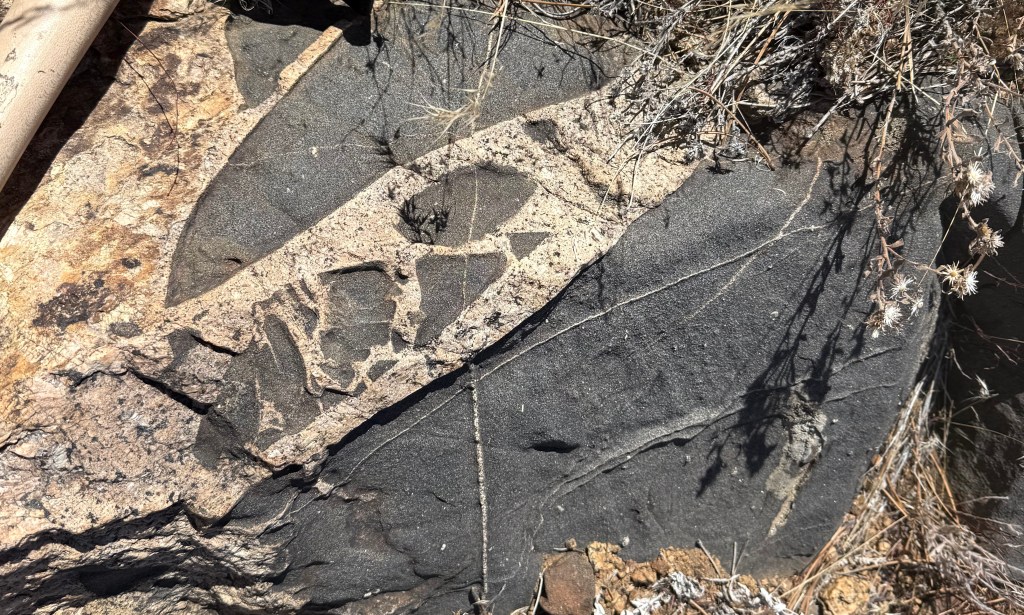
Halleck Creek REE Deposit
This sizeable REE deposit near Laramie, WY consists of a 1.4 Ga granitoid that is rich in Allanite – a light REE epidote mineral. This project aims to characterize the deposit, determine its paragenesis, and tie it into the broader geologic history of the Laramie Anorthosite Complex.
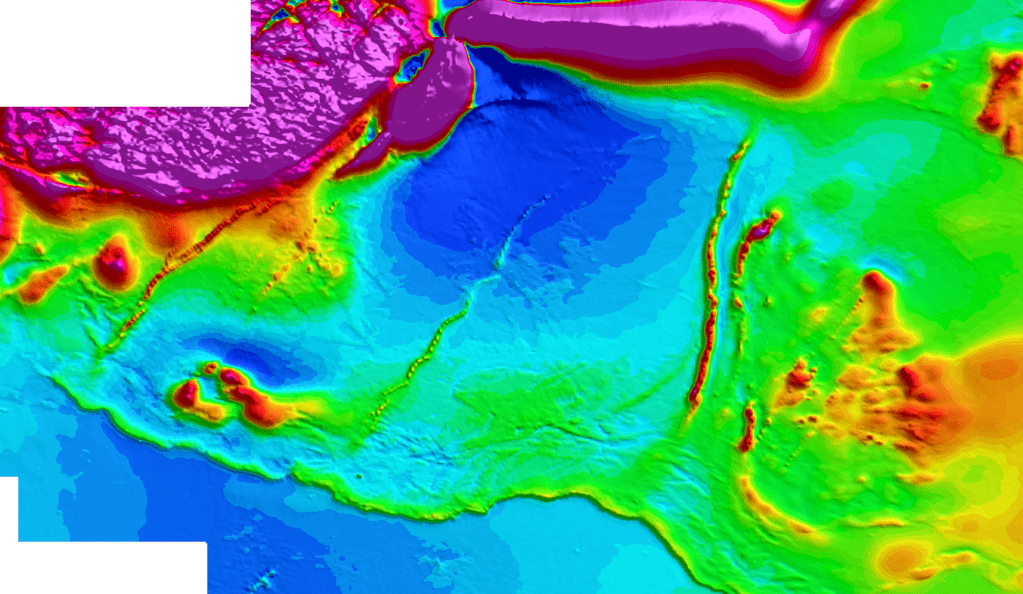
South Pass Gold District
This project makes use of recently acquired Earth MRI data in southern Wyoming. We are pairing this aeromagnetic data with a gravity survey of the South Pass Gold district. The goal is to to characterize the structural and tectonic controls on orogenic gold mineralization in the area.
Current Projects
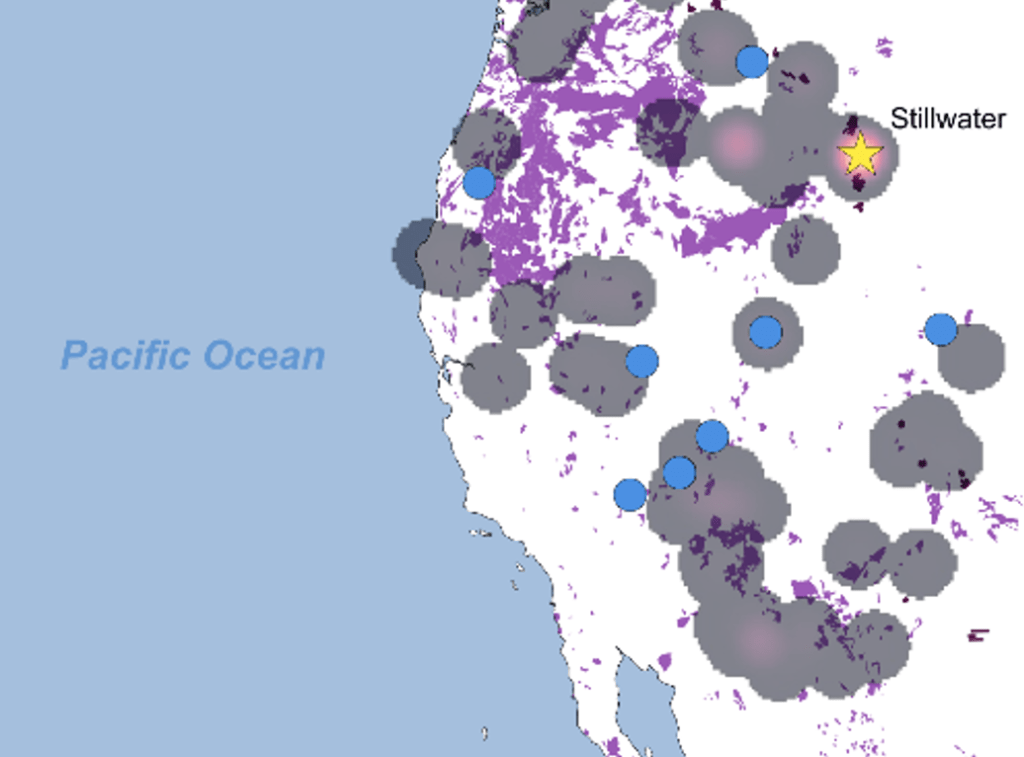
PGE Exploration Vectors
We are developing machine learning algorithms, in combination with large data compilations, to better explore for Platinum Group Elements (PGEs). These algorithms are NOT black boxes, and will allow exploration geologists to make clear and informed decisions on whether an area is prospective for PGEs after completing standard assays of base metals (Cu, Pb, etc.).
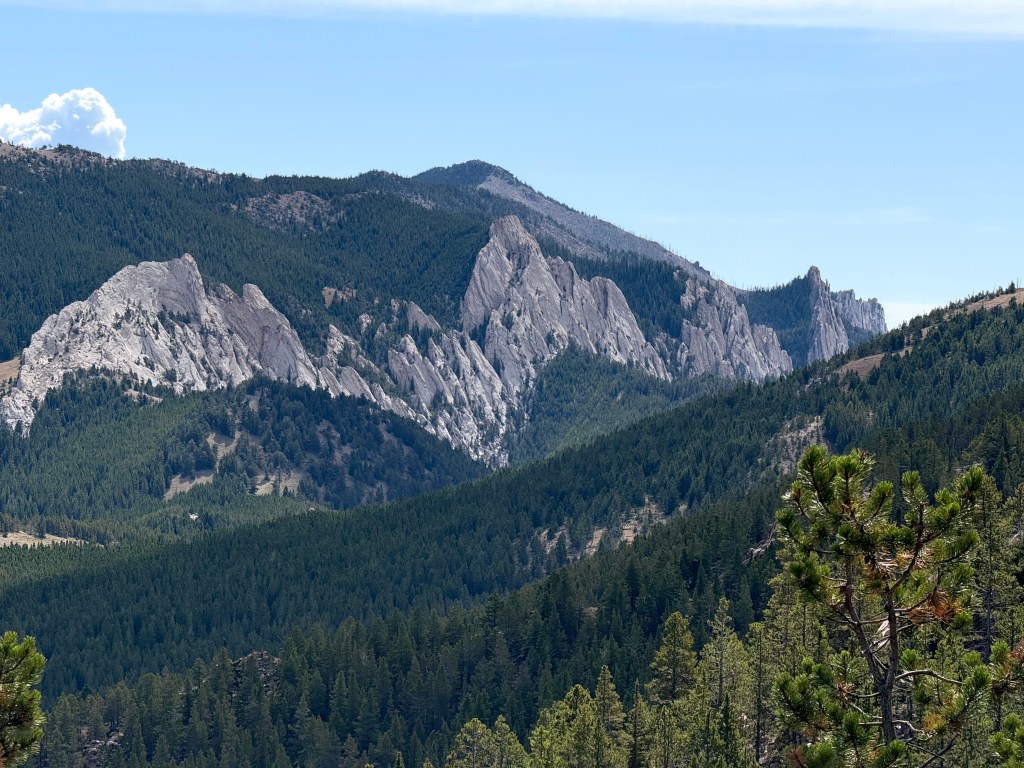
Ferris Mountains W-Cu-Au
This project focuses on a series of enigmatic tungsten veins in the Ferris Mountains, WY. The chemistry of these veins (W-Cu-Au, minor Ag and Bi) is fairly unique and defy our current understanding of how these metals are transported in hydrothermal fluids. Our initial work has focused on structural characterization of the district, with more work planned on the geochemistry of the veins themselves.
Current Projects
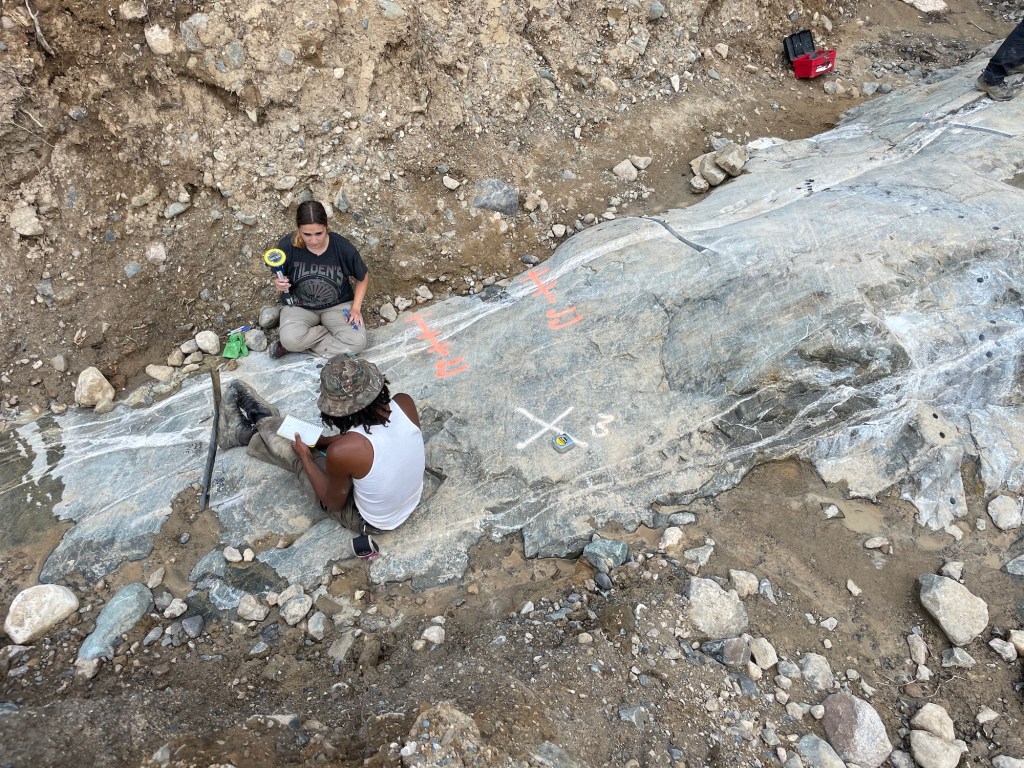
Ag-Co-Ni, Ontario
This project focuses on the complex thermal and structural history of the Cobalt mining district in northern Ontario, and its associated Ag-Ni-Co-As-Bi deposits. We are trying to determine the source of these metals and the degree of water-rock interaction in the host rocks of the veins. Results from this unique study will help us to improve the genetic model of the five-element assemblage and aid in ongoing exploration efforts.
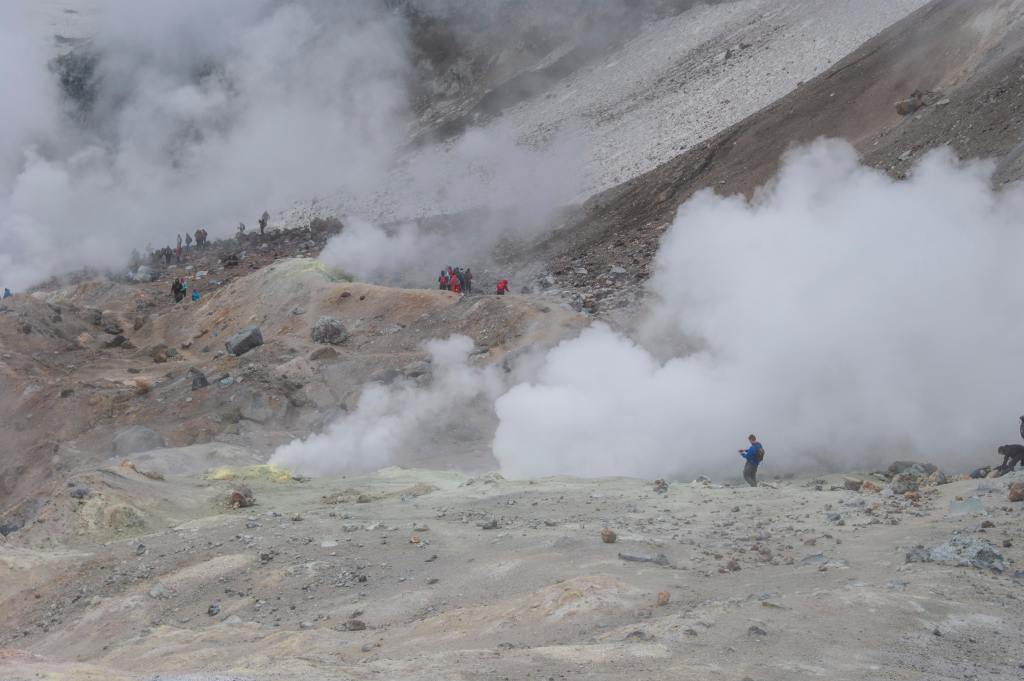
Active Metallogenesis
We have developed a volcano monitoring technique using aeromagnetics that can allow us to observe metallogenic processes (magmatic or hydrothermal) as they occur in real-time. Such observations could help us create better genetic models of fossilized deposits. We are currently studying active Cu-porphyry mineralization in Chile.
Past Examples
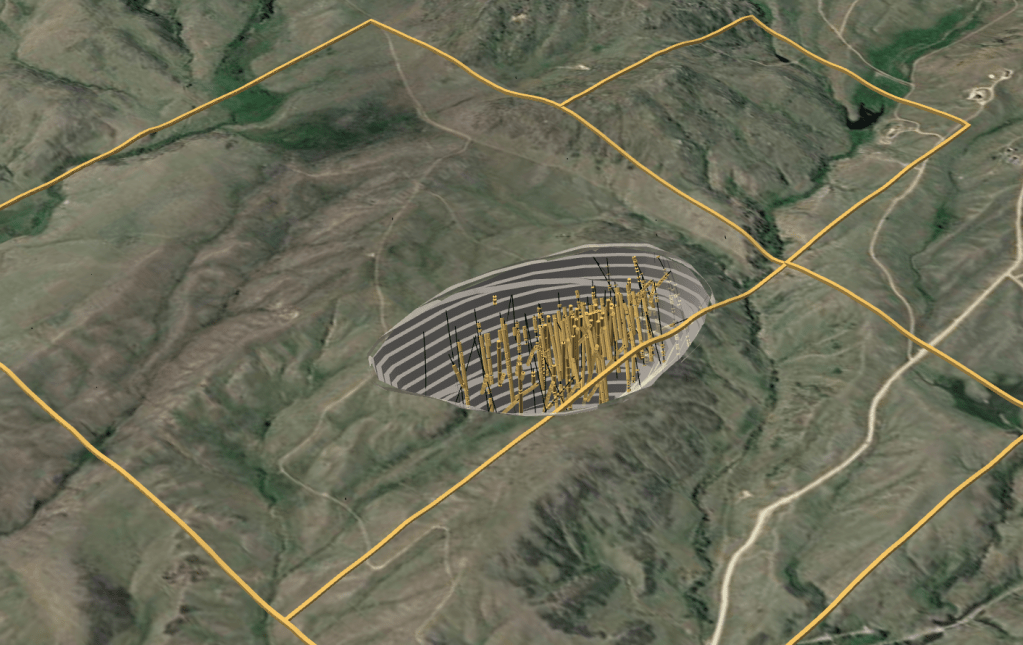
Copper King Deposit, Wyoming
In this project, we characterized the Copper King Au-Cu deposit near Cheyenne, WY. The deposit has undergone significant metamorphism after its formation, such that the original deposit type (porphyry?) cannot be definitively determined. Regardless, it’s clear that the deposit is related to the nearby 1.4 Ga Sherman Batholith, and that similar deposits are probably nearby based on historical data.
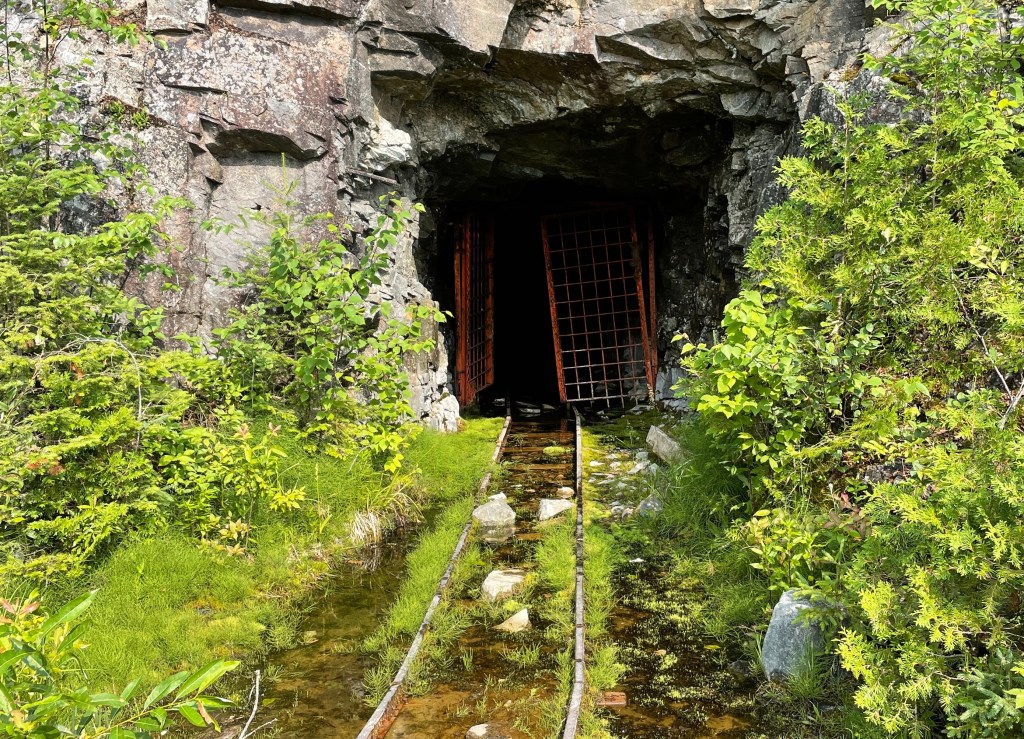
Mine Drainage, Wyoming
This project focused on the impact of historical mining activity on local watersheds in Wyoming and Colorado. We found that natural acid rock drainage (ARD) produces noticeably different pH effects in surface waters than acid mine drainage (AMD).
Past Examples
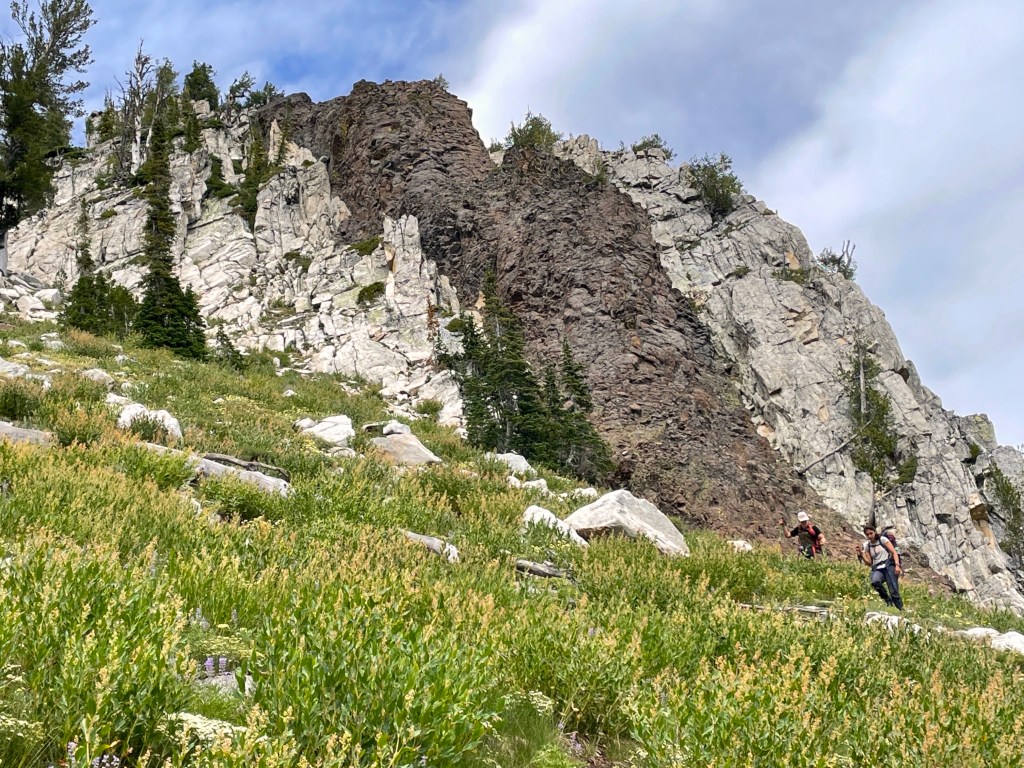
Intrusion Lifetimes and Magma Transport
Dr. Biasi has come up with a fairly novel way to determine the active ‘lifetime’ of any igneous intrusion. Here ‘lifetime’ is defined as the amount of time that the intrusion is actively transporting magma. The technique uses a combination of petrology, paleomagnetism, and thermal modeling. We have applied this technique to various dikes, sills, and plutons across North America.
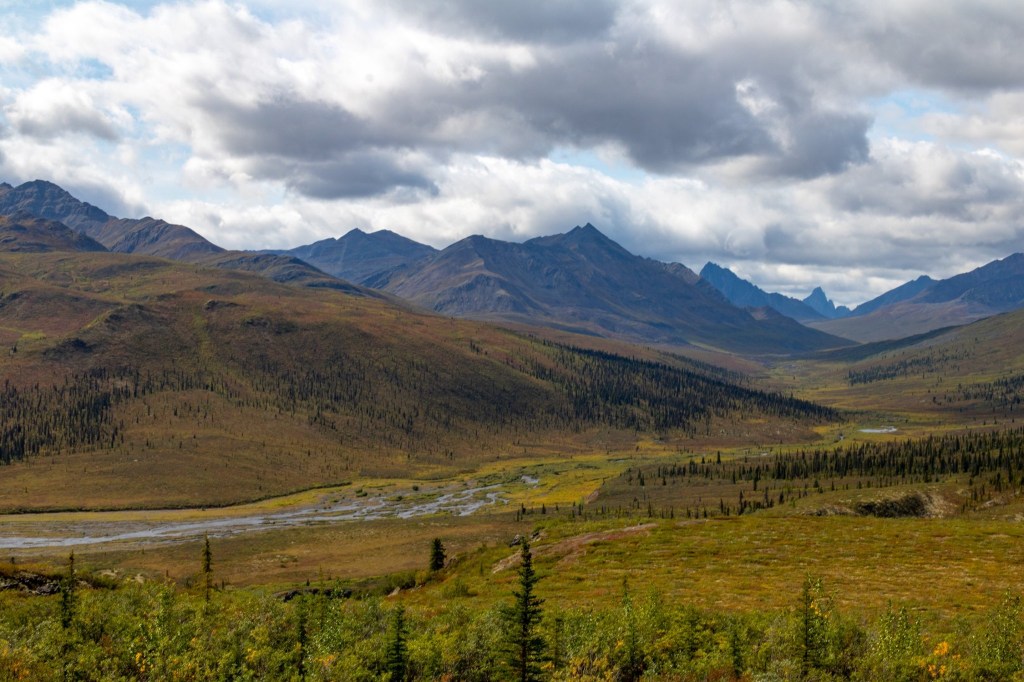
Alaskan Tectonics
This project focuses on the geochemistry, paleomagnetism, and paleogeography of Interior/Northern Alaska. This area of Alaska is severely understudied and poorly understood, but is a key area of current and future mineral exploration.

